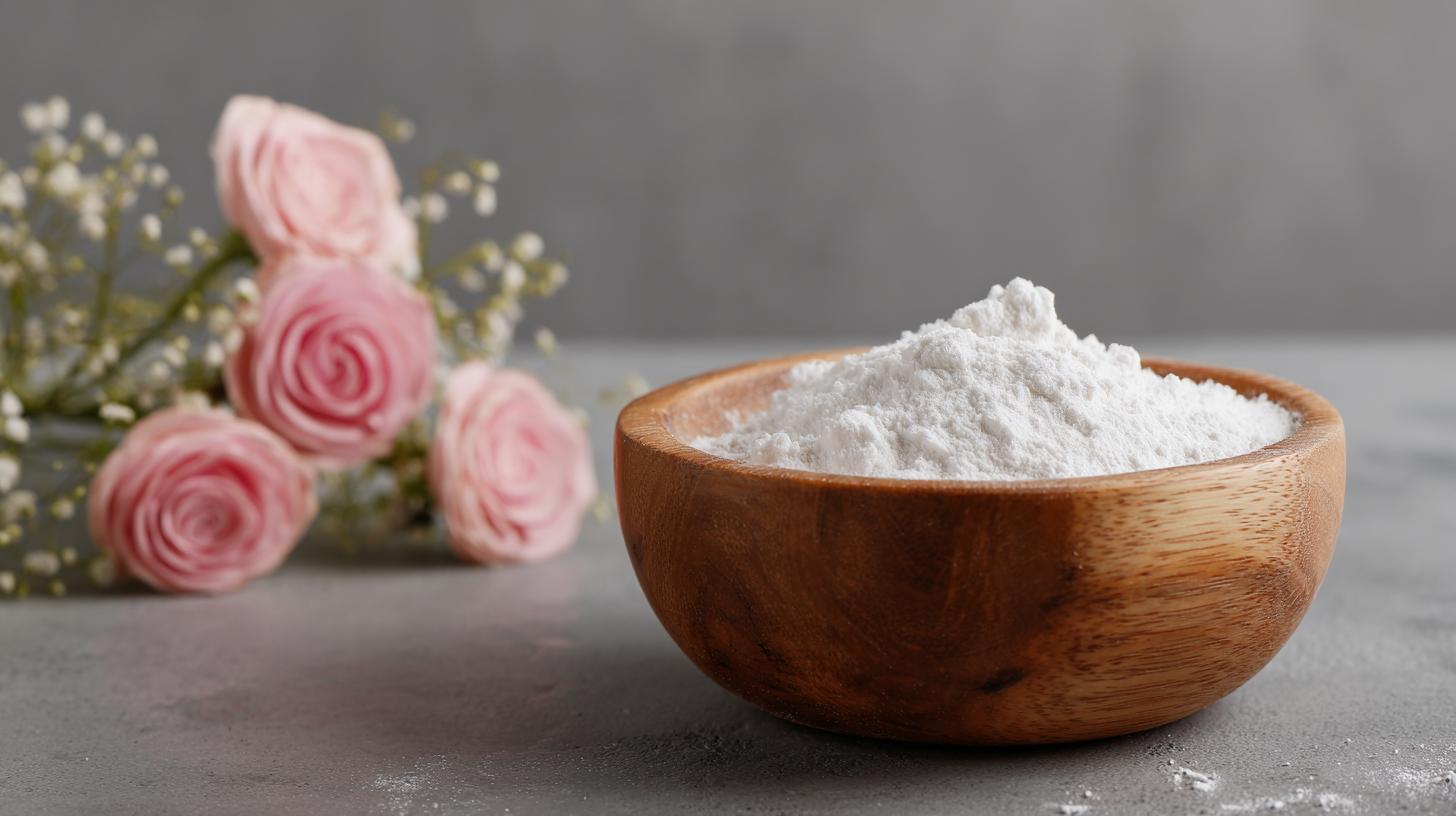
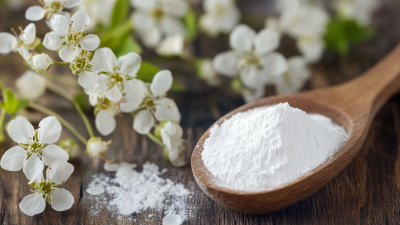
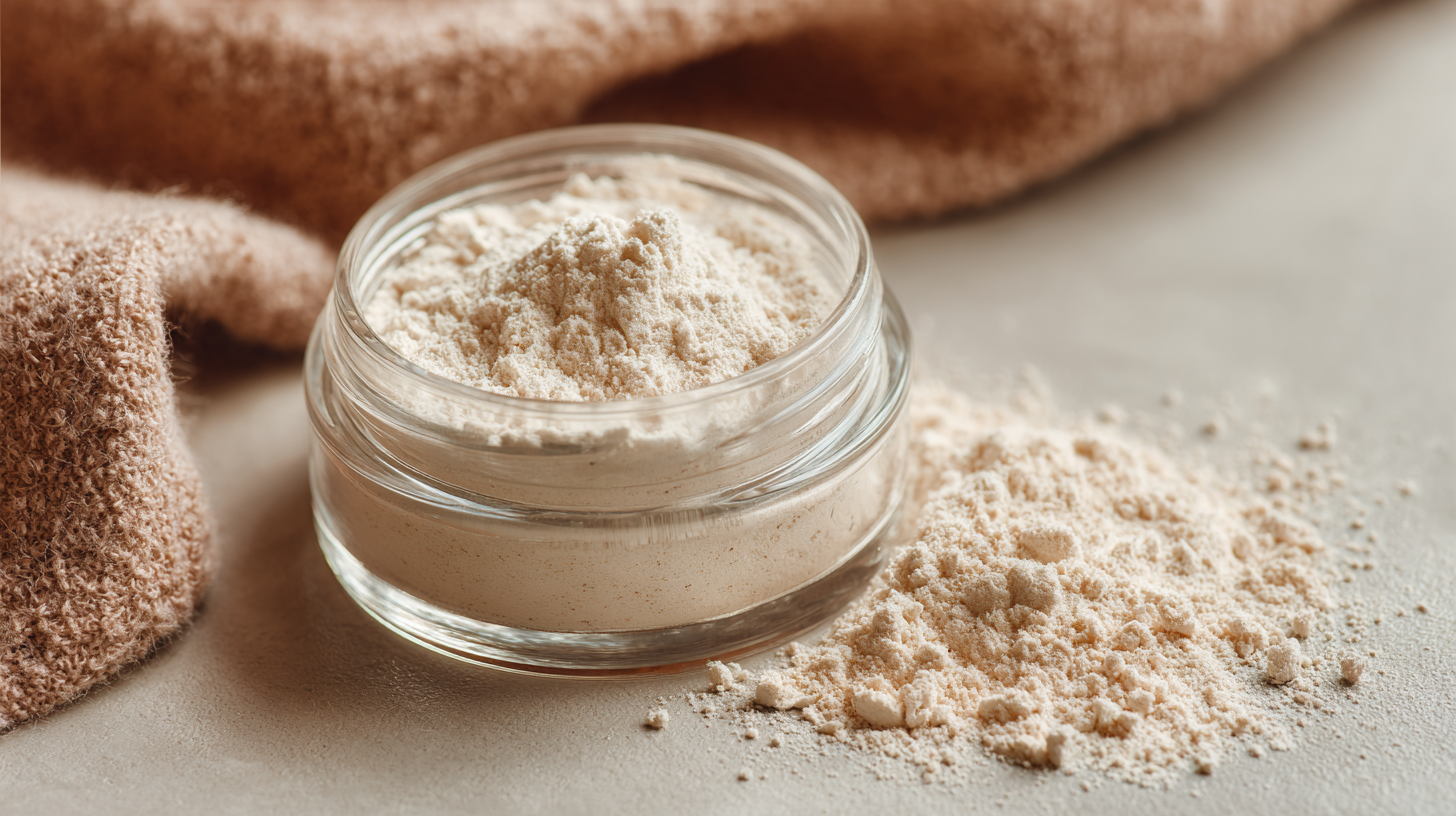
You know, the skincare world keeps changing super fast, and people are always on the lookout for new, effective ingredients.Lately, Azelaic Acid Powder has really been making waves. It’s this pretty impressive compound that comes from natural sources like grains, and folks are loving it because it helps tackle issues like acne and rosacea, plus it even evens out your skin tone. According to recent market reports, the global demand for azelaic acid is expected to grow a lot, which just shows how much people are craving products that actually work but are safe and gentle too. At Xi'an Aoge Biotech, we’re right there in the mix—leading the way with top-quality Azelaic Acid Powder, along with a whole bunch of natural plant extracts and synthetics. We’re all about pushing the boundaries of organic, premium skincare formulations, so we can meet what consumers are really looking for and help boost beauty and wellness around the globe.
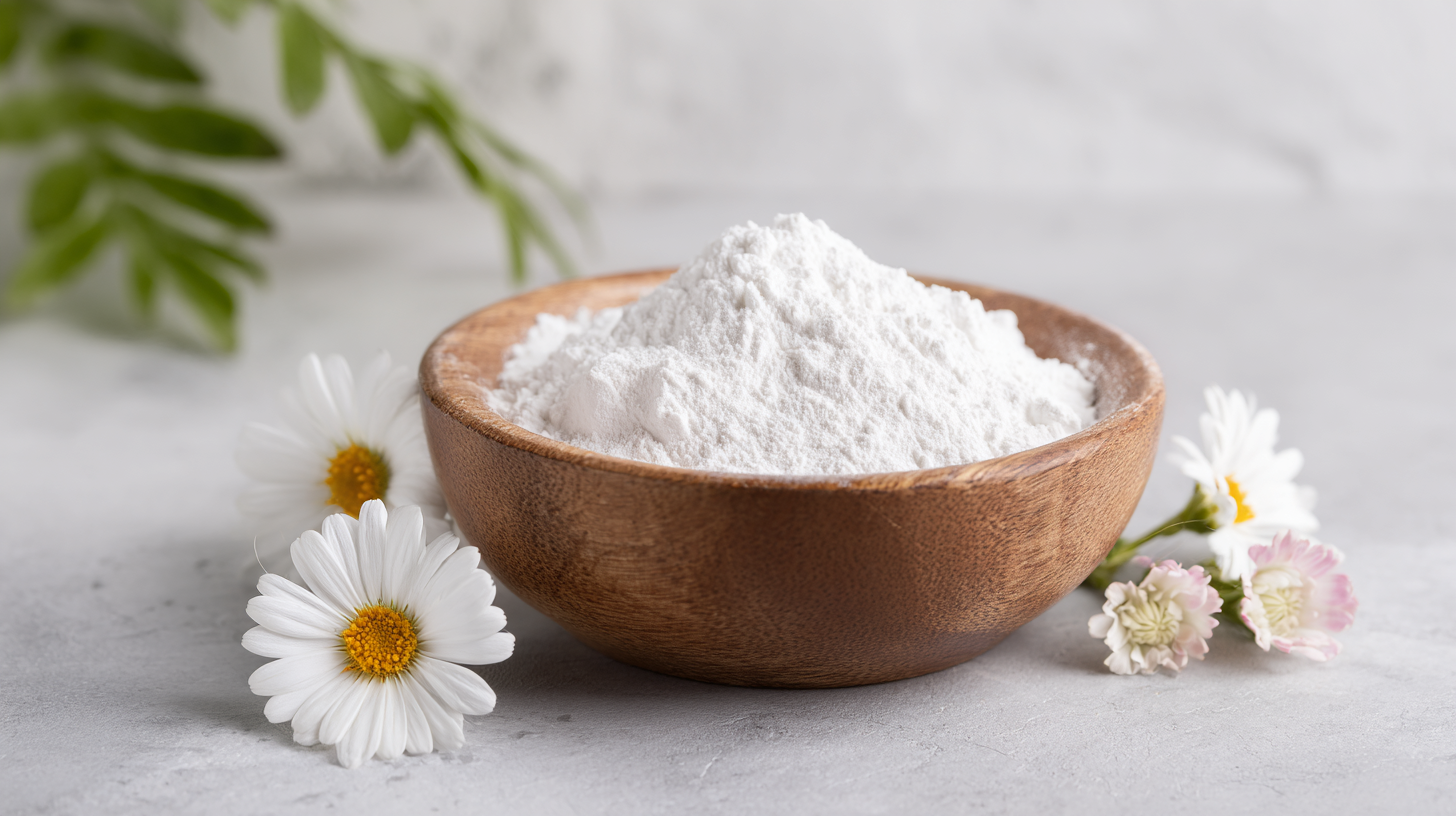
Understanding Azelaic Acid Powder: A Comprehensive Benefits Checklist
Azelaic Acid Powder has really caught the eye in the skincare world lately, and honestly, for good reason. It’s pretty amazing how versatile it is — people love using it because it tackles a bunch of skin issues all at once. One of the biggest perks is how well it fights acne. Not only does it help keep pores clear, but it also has anti-inflammatory powers that can calm redness and irritation, which is a game-changer during breakouts.
Plus, it’s fantastic for brightening up your face. It works by blocking the enzyme that makes melanin — so it’s actually pretty effective against hyperpigmentation and melasma. A lot of folks notice their skin looks more even and those stubborn dark spots start to fade after sticking with it for a while. On top of that, it gently exfoliates, helping your pores turnover skin cells faster, which leaves your skin smoother and softer. And the best part? It’s gentle enough even for Sensitive Skin, making it a pretty versatile addition to any skincare routine.
Key Properties of Azelaic Acid: What Makes It Unique in Skincare
Azelaic acid powder has really been making waves in the skincare world lately. It's become quite a favorite, mainly because of its unique ability to tackle a bunch of skin issues. Funny thing is, it’s actually derived from grains like barley and rye—pretty interesting, right? What I love about it is how gentle yet effective it is. If you have acne, this stuff might just be a game-changer — it dives deep into the skin to help reduce inflammation and clear out pores, making it a great pick if your skin’s sensitive or if harsher treatments tend to irritate you.
And here’s the neat part: azelaic acid also has some strong antioxidant power, so it helps shield your skin from environmental damage and free radicals. Plus, it’s known for fading hyperpigmentation, smoothing out skin tone by stopping melanin from overproducing. Before you know it, your skin can look more even and radiant. On top of all that, it can improve your skin's texture, making your routine even more versatile. All these qualities really show why azelaic acid is such a valuable ingredient—whether you’re after clearer skin, a brighter glow, or just healthier-feeling skin overall.
Understanding Azelaic Acid Powder and Its Benefits in Skincare - Key Properties of Azelaic Acid: What Makes It Unique in Skincare
| Property | Description | Benefits |
| Chemical Structure | Dicarboxylic acid with a unique branched structure. | Helps in providing multi-functional properties in formulations. |
| Anti-Acne | Regulates cell turnover and has antibacterial properties. | Reduces acne lesions and prevents future outbreaks. |
| Skin Brightening | Inhibits tyrosinase activity, reducing melanin production. | Fades hyperpigmentation and evens skin tone. |
| Anti-Inflammatory | Reduces redness and irritation in the skin. | Calms sensitive skin and conditions such as rosacea. |
| Compatibility | Works well with various skin types and treatments. | Can be easily integrated into daily skincare routines. |
| Formulations | Available in creams, gels, and powder forms. | Versatile options for various skincare preferences. |
Scientific Backing: Clinical Studies Supporting Azelaic Acid Efficacy
Lately, I’ve come across some pretty interesting stuff about azelaic acid and its role in skincare. Honestly, it’s been getting a lot of attention for helping out with issues like acne, rosacea, and hyperpigmentation. I read a study published in the Journal of the American Academy of Dermatology, and it’s pretty impressive—after 12 weeks of using it, people saw about a 50% drop in inflammatory lesions and comedones. Basically, it works by slowing down the bacteria that cause acne and cutting back on excess keratin production, which over time helps clear up the skin.
Plus, there’s more good news from research in Dermatology and Therapy. They looked into how azelaic acid helps with rosacea, and it turns out, a lot of folks saw real improvement. The review noted that over 70% of patients using topical azelaic acid experienced less redness and fewer papules. It’s kind of amazing how it can bring relief to sensitive skin issues, right? All in all, these findings really back up why azelaic acid is becoming such a popular ingredient in skincare routines today. It’s cool to see science backing up what many people are already starting to notice in their own skincare journey.
Understanding Azelaic Acid Efficacy in Skincare
How to Incorporate Azelaic Acid Powder into Your Skincare Routine
When you're adding azelaic acid powder into your skincare routine, it's pretty important to get the hang of what makes it special and how it can help your skin. Azelaic acid is known for being versatile — it’s great for treating acne, rosacea, and hyperpigmentation, among other things. A good way to introduce it is by mixing a little bit of the powder into a moisturizer or serum you already use. Just start small, blending a tiny amount and applying it about 2 or 3 times a week. Once your skin gets used to it, you can slowly bump up how often you use it.
If you really want to get the most out of it, try layering azelaic acid with ingredients that work well together. For example, using it alongside vitamin C can really boost your skin-brightening results and give some extra protection against free radicals. Also, don’t forget to apply your products in the right order — lighter, water-based stuff should go on before thicker creams or serums. By mixing azelaic acid powder thoughtfully with other actives and paying attention to how you layer things, you can put together a skincare routine that's customized just for your skin’s needs.
Potential Side Effects of Azelaic Acid: What You Need to Know
Azelaic acid is getting more and more attention for how well it works on different skin issues. Still, it’s really important to be aware of some possible side effects. The American Academy of Dermatology points out that many folks use azelaic acid to treat acne and rosacea because it can help calm inflammation and speed up cell renewal. But, when you first start using it, you might notice some unwanted reactions. A few common ones are mild irritation, dry patches, or that burning feeling—happening in about one in ten users, roughly.
Comparative Analysis: Azelaic Acid vs. Other Popular Skincare Ingredients
Azelaic acid has really been making waves in the skincare world lately, and for good reason. It's known for being super versatile and gentle, which is a big plus if you’re someone with sensitive skin. Unlike a lot of harsh ingredients out there, azelaic acid offers a cool mix of anti-inflammatory, antioxidant, and antimicrobial benefits. That makes it a pretty awesome all-rounder for tackling different skin issues. When you compare it to other well-known players like salicylic acid and glycolic acid, azelaic acid feels like a more chill, less irritating option—perfect if your skin tends to be a bit on the sensitive side. Sure, salicylic acid is great at unclogging pores and battling acne, but for some folks, it can leave their skin feeling dry or irritated. Azelaic acid, on the other hand, not only helps clear up breakouts but also smooths out skin texture and fades dark spots or hyperpigmentation, which is a win in my book.
Now, if you’re into exfoliating acids like glycolic acid—famous for its skin-renewing powers—azelaic acid still has a place. Glycolic can give your skin a nice glow and fight signs of aging, but it can sometimes make sensitive skin a bit too reactive. That’s where azelaic acid shines: it encourages cell turnover gently, without the redness or irritation, making it a solid choice if you're after an effective yet gentle solution for uneven skin tone or blemishes. Overall, it’s clear that azelaic acid isn’t just versatile—it’s a pretty awesome alternative for anyone looking for results without sacrificing comfort. It really proves that you don’t have to compromise on gentleness to get good skincare results.
Exfoliate and Hydrate: Discover the Benefits of Lactic Acid Cosmetics for Your Skin Care Routine
Lactic acid, a powerhouse ingredient in the world of skincare, is renowned for its dual-action ability to exfoliate and hydrate the skin. Featured prominently in high-quality cosmetic formulations, such as products containing 90% lactic acid, it effectively removes dead skin cells, revealing a brighter, smoother complexion. This water-soluble acid, often characterized by its clear, viscous liquid form and mild odor, serves as an excellent choice for individuals seeking to enhance their skin renewal process.
Incorporating lactic acid into your skincare routine not only improves texture but also boosts moisture levels, making it ideal for those with dry or dehydrated skin. Its low pH range of 0.5-1 allows for gentle yet effective exfoliation without stripping the skin of its natural moisture barrier. The unique combination of lactic acid and water in these products ensures that your skin remains well-hydrated, promoting a healthy glow. With consistent use, you may find that fine lines diminish, and your overall skin tone becomes more even and youthful.
When choosing lactic acid cosmetics, look for reputable formulations that highlight their high concentration of lactic acid. This ensures you are getting the potent benefits of this remarkable ingredient while enjoying a soothing skincare experience. Embrace the power of lactic acid to revitalize your skin, making it an essential part of your daily routine.
FAQS
: Azelaic acid is primarily derived from grains such as barley and rye.
Azelaic acid can help with acne, rosacea, and hyperpigmentation, as well as improve overall skin texture.
Azelaic acid treats acne by penetrating the skin, reducing inflammation, and unclogging pores.
Azelaic acid has potent antioxidant properties that help protect the skin from environmental stressors and free radicals.
Yes, azelaic acid can lighten hyperpigmentation by inhibiting melanin production, resulting in a more even skin tone.
Common side effects include mild irritation, dryness, and a burning sensation, experienced by approximately 10% of users.
To minimize irritation, it is recommended to perform a patch test before full application and to gradually introduce azelaic acid into your skincare routine.
Most side effects are mild and temporary, but some individuals may experience more severe reactions such as contact dermatitis.
Conclusion
Azelaic Acid Powder has been getting a lot of buzz in the skincare world lately, and honestly, it’s easy to see why. It’s got some pretty impressive benefits and some pretty cool, unique properties. Think of this as your easy-to-read guide to all the good stuff Azelaic Acid offers—like helping clear up pesky acne and calming down rosacea. Plus, it’s great for evening out skin tone, making your skin look more even and fresh. Scientific studies back up its effectiveness, so it’s no surprise that both skincare enthusiasts and product creators love using it.
Adding Azelaic Acid Powder into your routine doesn’t have to be complicated. You can mix it with other serums, or just look for products that already contain it—whatever works for you. Just a heads up, like with many good ingredients, there’s a chance you might experience some mild side effects, but they’re usually pretty manageable. When you compare it to other popular ingredients out there, Azelaic Acid really stands out because of how versatile and effective it is. It’s definitely worth considering if you’re trying to up your skincare game.
At Xi'an Aoge Biotech Co., Ltd., we’re all about providing top-quality natural and synthetic ingredients, including Azelaic Acid Powder, to help develop innovative skincare solutions. So, if you’re curious, it’s worth giving it a shot!