
Emulsifiers in Cosmetics: A Comprehensive Guide
In the world of cosmetics, emulsifiers play a pivotal role in creating products that are not only effective but also stable and appealing. These unsung heroes are responsible for blending oil-based and water-based ingredients, which are otherwise immiScible, into harmonious mixtures. From the creamy texture of your favorite moisturizer to the smooth spreadability of a foundation, emulsifiers are the key to achieving these desirable qualities.
What are Emulsifiers?
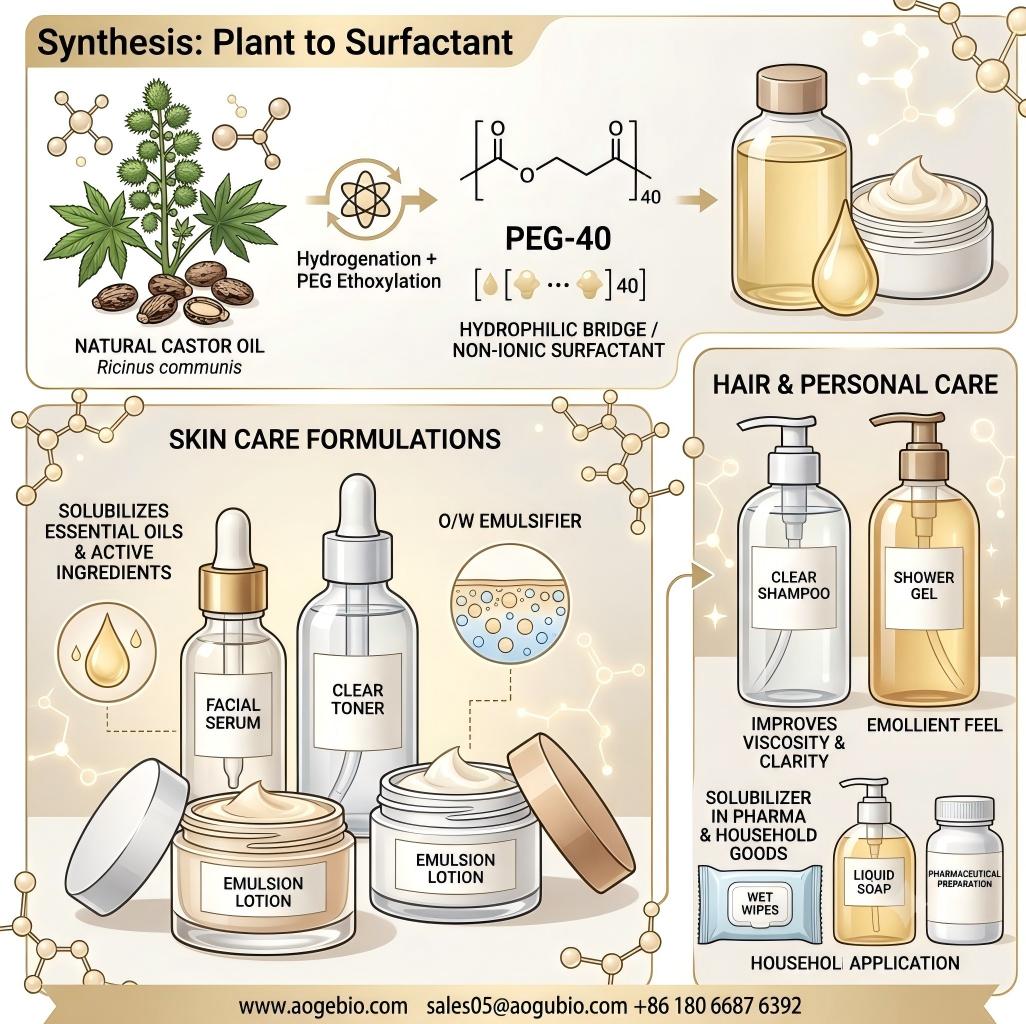
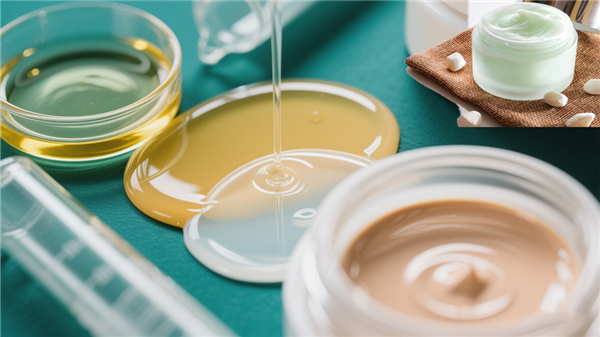
Emulsifiers are substances that enable the mixing of two or more immiscible liquids, such as oil and water, by reducing the surface tension between them. They work by having both hydrophilic (water-loving) and lipophilic (oil-loving) parts in their molecular structure. This unique property allows emulsifiers to interact with both water and oil molecules, creating a stable emulsion where one liquid is dispersed in the other in the form of tiny droplets.
In the context of cosmetics, emulsions are crucial as they allow for the formulation of products like lotions, creams, and emulsified oils. These products are easier to apply, more aesthetically pleasing, and often more effective in delivering active ingredients to the skin or hair.
Common Types of Emulsifiers in Cosmetics
Glyceryl Stearate
•Description:Glyceryl stearate is a non-ionic emulsifier commonly used in a wide range of cosmetic products. It is derived from glycerin and Stearic Acid, a fatty acid found in many natural fats and oils.
•Function: This emulsifier helps to create a stable emulsion by reducing the surface tension between oil and water phases. It also contributes to the thickening and texturizing of products, giving them a smooth and creamy consistency. For example, in a moisturizer, glyceryl stearate ensures that the oil and water components remain well-mixed, providing a long-lasting and evenly distributed moisturizing effect.
•Safety and Usage: It is considered safe for use in cosmetics and is widely accepted by consumers. According to a study published in the International Journal of Cosmetic Science, glyceryl stearate has been used in cosmetic formulations for decades without significant adverse effects. It is often used in combination with other emulsifiers or ingredients to optimize product performance.
Cetearyl Alcohol
•Description: Cetearyl alcohol is a fatty alcohol that serves as both an emulsifier and a thickening agent. It is a mixture of cetyl alcohol and stearyl alcohol, which are derived from natural sources such as coconut oil or palm oil.
•Function: In cosmetic formulations, cetearyl alcohol helps to stabilize emulsions by forming a film around the oil droplets in a water-based system. This film prevents the droplets from coalescing and separating, resulting in a more stable product. It also contributes to the thickening of creams and lotions, improving their texture and spreadability. For instance, in a body lotion, cetearyl alcohol gives the product a rich and luxurious feel while ensuring that the active ingredients are evenly distributed.
•Safety and Usage: Cetearyl alcohol is generally recognized as safe for use in cosmetics. It is non-irritating and non-comedogenic, making it suitable for a wide range of skin types. Research in the Journal of Cosmetic Dermatology has shown that cetearyl alcohol is well-tolerated by most individuals and does not cause significant skin reactions.
Lecithin
•Description: Lecithin is a natural emulsifier derived from sources such as soybeans, eggs, or sunflower seeds. It is a complex mixture of phospholipids, which have both hydrophilic and lipophilic properties.
•Function: In cosmetics, lecithin acts as an emulsifier, helping to blend oil and water phases. It also has skin-conditioning properties, as it can help to improve the texture and appearance of the skin. For example, in a facial serum, lecithin can help to deliver oil-soluble active ingredients, such as vitamins or antioxidants, to the skin in a stable and effective manner.
•Safety and Usage: Lecithin is considered safe for use in cosmetics and is often used in natural and organic products. It is biodegradable and has a low environmental impact. A review in the Cosmetics and Toiletries magazine highlighted the benefits of lecithin in cosmetic formulations, including its ability to enhance product stability and skin compatibility.
Polysorbates
•Description: Polysorbates are a group of non-ionic emulsifiers that are derived from sorbitol, a sugar alcohol, and fatty acids. Common types include polysorbate 20, polysorbate 40, polysorbate 60, and polysorbate 80.
•Function: These emulsifiers are highly effective in creating stable emulsions. They work by reducing the surface tension between oil and water, allowing for the formation of small, evenly distributed droplets. Polysorbates are also used as solubilizers, helping to dissolve oils and other hydrophobic ingredients in water-based products. For example, in a shampoo, polysorbate 20 can help to emulsify the oils and surfactants, ensuring a smooth and consistent product.
•Safety and Usage: Polysorbates are generally regarded as safe for use in cosmetics. However, some individuals may be sensitive to them, especially at high concentrations. Studies in the Journal of Toxicology and Environmental Health have investigated the potential effects of polysorbates on skin and found that they are well-tolerated by most people when used within recommended limits.
Sorbitan Esters
•Description: Sorbitan esters are non-ionic emulsifiers that are derived from sorbitol and fatty acids. Examples include sorbitan laurate, sorbitan oleate, sorbitan palmitate, and sorbitan stearate.
•Function: These emulsifiers are used to create oil-in-water emulsions. They help to reduce the surface tension between the oil and water phases, allowing for the formation of stable emulsions. Sorbitan esters also contribute to the thickening and texturizing of products. In a sunscreen lotion, sorbitan stearate can help to emulsify the sunscreen agents and oils, providing a smooth and spreadable product.
•Safety and Usage: Sorbitan esters are considered safe for use in cosmetics. They are often used in combination with other emulsifiers to achieve the desired emulsion stability and product performance. Research in the International Journal of Pharmaceutics has explored the use of sorbitan esters in cosmetic and pharmaceutical formulations, demonstrating their effectiveness and safety.
How Emulsifiers Affect Cosmetic Product Performance
Stability
Emulsifiers are essential for ensuring the long-term stability of cosmetic products. By preventing the separation of oil and water phases, they help to maintain the integrity of the product over time. This is particularly important for products with a long shelf life, such as creams and lotions. A study published in the Journal of Cosmetic Science found that the proper selection and use of emulsifiers can significantly improve the stability of emulsified cosmetic products, reducing the risk of phase separation and spoilage.
Texture and Consistency
Emulsifiers play a crucial role in determining the texture and consistency of cosmetics. They can help to create products with a smooth, creamy, or lightweight texture, depending on the formulation. For example, in a whipped body butter, emulsifiers are used to create a light and fluffy texture, while in a heavy-duty moisturizer, they contribute to a rich and thick consistency. The type and amount of emulsifier used can be adjusted to achieve the desired texture and feel of the product.
Efficacy of Active Ingredients
Emulsifiers can also affect the delivery and efficacy of active ingredients in cosmetics. By emulsifying the active ingredients, they can help to ensure that they are evenly distributed throughout the product and are more easily absorbed by the skin or hair. For instance, in a vitamin C serum, emulsifiers can help to keep the vitamin C stable and in a form that is readily available for the skin to absorb. Research in the field of dermatology has shown that proper emulsification can enhance the penetration and effectiveness of active ingredients in cosmetic products.
Choosing the Right Emulsifier for Cosmetic Formulations
Consider the Product Type
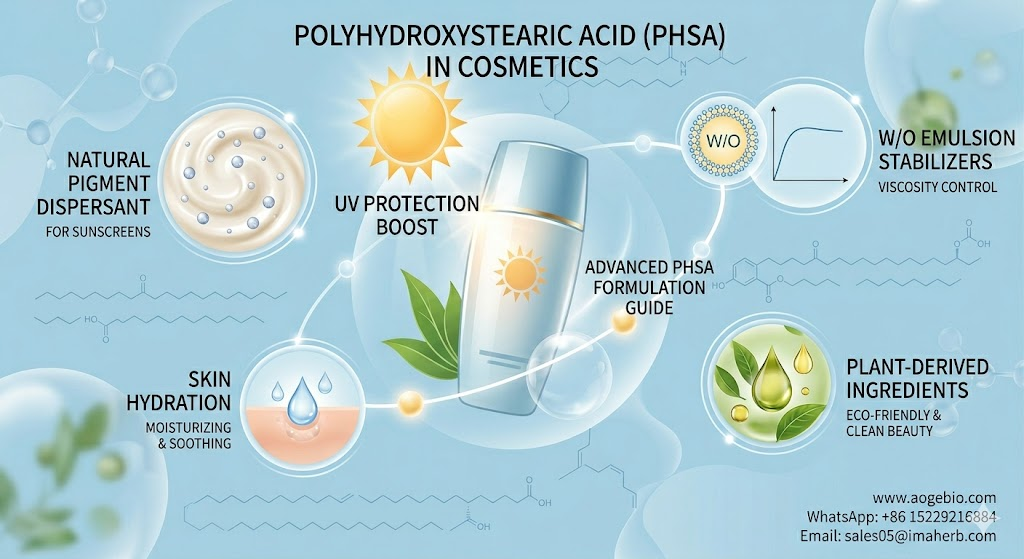
Different types of cosmetic products require different types of emulsifiers. For example, oil-in-water emulsions are commonly used in lotions and creams, while water-in-oil emulsions may be more suitable for products like some sunscreens or lip balms. The choice of emulsifier should be based on the desired product type and its intended use.
Compatibility with Ingredients
It is important to ensure that the emulsifier is compatible with the other ingredients in the formulation. Some emulsifiers may react with certain active ingredients or preservatives, leading to product instability or reduced efficacy. A thorough understanding of the chemical properties of the emulsifier and the other ingredients is necessary to ensure compatibility.
Safety and Regulatory Considerations
The safety of the emulsifier is of utmost importance. Cosmetic manufacturers must comply with strict regulatory guidelines regarding the use of emulsifiers in their products. They should choose emulsifiers that are approved for use in cosmetics and have a low risk of causing adverse effects. Additionally, they should consider the potential environmental impact of the emulsifier, especially in the context of sustainable and eco-friendly product development.
In conclusion, emulsifiers are essential components in the formulation of cosmetics. They enable the creation of stable, effective, and aesthetically pleasing products by blending oil and water phases. By understanding the different types of emulsifiers available, their functions, and how to choose the right one for a particular formulation, cosmetic manufacturers can develop high-quality products that meet the needs and expectations of consumers. As the cosmetic industry continues to evolve, the development and use of innovative emulsifiers will play a crucial role in creating new and improved products.